
How to Choose the Best Roofing Material for Colorado Weather
19th Mar 2026
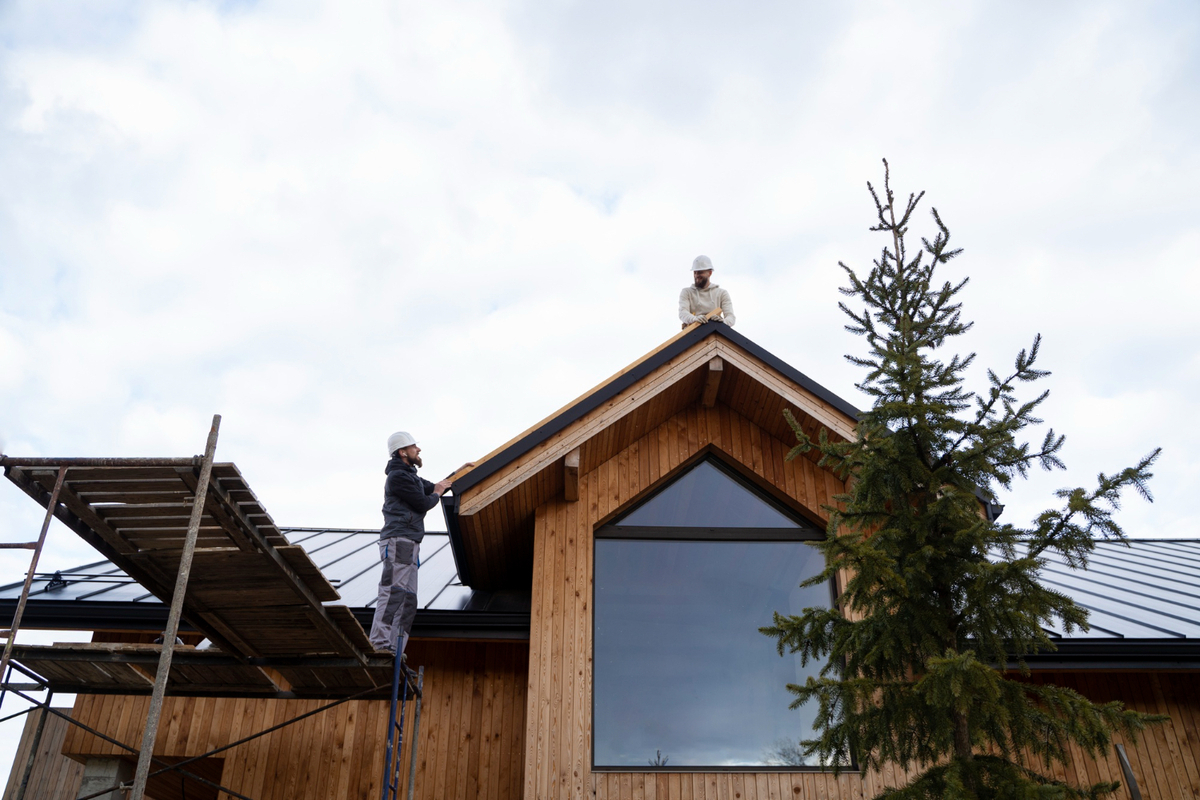
You get up one morning in Colorado, peep out of the window, and see 8 inches of snow; by noon, the sun is already blazing down at you. About 2 weeks later, the hailstorm blows out the windows. Then there is a shimmering summer afternoon with the UV rays. And unless your roof is built with a steel structure, your lovely house might become your nightmare of leaks, ice-dams, and roof damage.
That’s why choosing the best roofing material Colorado can mean the difference between peace of mind and constant repairs. This blog walks you through exactly how to pick the right roof for Colorado’s wild swings, so your home stays safe, dry, and energy-smart all year.
Why Colorado Weather Demands a Smart Roof
Here are some reasons that highlight why Colorado’s weather needs a smart roof.
- Extreme weather swings. Colorado doesn’t do “mild.” Heavy snow, hail, freezing nights, blazing sun, often all in one year. In mountain communities, snow loads can exceed 100 lbs per square foot.
- Hail and windstorms. Some regions of Colorado experience regular hail. Roofs must be hail-resistant; otherwise, a single strong storm can crack shingles or cause leaks.
- Intense sun and UV exposure. Many Colorado areas, on average, enjoy 252 sunny days per year, but heavy UV weakens many materials over time, shortening a roof’s life.
- Freeze-thaw & snow melt cycles. Snow that melts during the day and refreezes at night can lead to ice dams, leaks, and structural stress.
Given all that, slapping on any old roof just won’t do. You need a roof built to endure.
Top Roof Types for Colorado Homes
Let’s take a look at different roof types for Colorado's weather and how they can help residents.
Metal Roofing
When it comes to handling snow, hail, wind, and the sun, metal roofing stands out.
- Snow shedding: The smooth surface lets snow slide off naturally, reducing heavy buildup and the risk of ice dams.
- Durability: Metal roofs have a very long lifespan of 40–70 years, which is considerably longer than that of other roofing materials.
- Weather resistance: Strong against hail, heavy winds, UV, and even fire, a big bonus in Colorado’s wildfire-prone zones.
- Energy efficiency: Reflective metal surfaces help keep homes cooler in summer, cutting down energy bills.
Yes, it is more expensive initially than plain shingles. However, over the years, what would you prefer? Fewer repairs, a longer lifespan, or frequent fixes, and a shorter life?
Class 4 Impact-Resistant Asphalt Shingles
Maybe metal isn’t in your budget, or you prefer a traditional look. High-quality, impact-rated asphalt shingles, sometimes called Class 4 shingles, still have a place, especially in specific neighborhoods.
- Affordability & flexibility: Asphalt shingles cost less and are easy to install or replace.
- Improved hail resistance: Class 4-rated products can withstand hail impacts much better than standard shingles, reducing the risk of damage during storms.
- Suitable for moderate-weather zones: If you live in a part of Colorado with less snowfall, these shingles may provide a decent compromise.
Drawbacks? They wear faster under UV and heavy weather, often needing replacement in 10–30 years, depending on exposure and maintenance.
Synthetic or Composite Roofing
Composite or synthetic roofing (such as synthetic slate or cedar-look shakes) offers an interesting middle ground. They combine a lighter weight than tile or real slate with hail, snow, and fire resistance.
- Impact & fire resistance: Many products carry impact-resistant and Class A fire-resistant ratings, making them suitable for hail zones or fire-prone areas.
- Longer lifespan than basic shingles: Often rated for 40–50 years with proper installation and maintenance.
- Aesthetic flexibility: Look of slate or cedar without the weight or fragility, great if home appearance matters.
This can be a solid option if you want durability and curb appeal without the full cost of metal or real slate.
Slate, Tile, or Concrete
Real slate or tile roofs are known for their durability and longevity. In theory, they can last 60–125 years and handle weather well.
But there are real challenges:
- High cost: Both materials and installation are expensive.
- Weight: Many home structures need reinforcement, but it is not always worth it for older houses.
- Snow & ice buildup: Unless the roof is steeply sloped and properly vented, snow can linger, increasing the risk of ice dams and structural stress.
For some luxury homes or very long-term owners, slate or tile can be ideal. But for most Colorado homeowners, less heavy but weather-resilient options often make more sense.
Real Problems Homeowners Face & How the Right Roof Helps
Let’s look at some of the real-life problems homeowners face and how choosing the right roof helps mitigate them.
Hail Damage
One nasty hailstorm can riddle standard shingles with holes or cracks. In some Colorado regions, insurance companies now require or offer discounts for roofs made of impact-resistant or metal materials.
Ice Dams
When snow melts and refreezes, water can back up under shingles, freeze, and cause leaks or mold. Choosing a snow-shedding roof (like metal) or combining proper underlayment, insulation, and ventilation significantly reduces that risk.
UV & Thermal Stress
High altitude means stronger UV radiation. Some experts believe high-altitude UV/temperature cycles can significantly accelerate roof wear. UV-resistant materials or those with reflective coatings may help mitigate faster degradation in high-sun areas.
Cost vs. Longevity: What’s the Real Value Over 30 Years
Sure, asphalt shingles are cheap now. But if they need replacement every 15–20 years, and hail or storms force you to re-roof sooner, that “saving” becomes expensive. On the other hand, metal or synthetic roofs cost more upfront but require minimal maintenance and can last decades, making them often cheaper overall.
Think of it like investing in something once rather than replacing it over and over.
A Few Stories from Real Colorado Homes
A homeowner in the Denver metro had to replace standard shingles twice within 18 years due to hail and UV damage. She switched to Class 4 impact-resistant shingles, which have reduced her annual insurance premiums, and she has not been calling a roofer since then.
Another family living near wildfire-prone foothills opted for stone-coated steel. They felt it balanced fire resistance, hail toughness, and a look that suited their home. Years later, they still hadn’t needed major maintenance.
These real-world experiences show how the right roofing material can save money, stress, and surprise repairs down the line.
How to Decide What’s Best for Your Home
Here’s a quick decision guide to pick the best roofing material Colorado for your home:
|
If you care about... |
Best option(s) |
|
Best long-term durability, snow & hail resistance, low maintenance |
Metal roofing (standing seam or steel) |
|
Budget-friendly with decent protection, easy repairs |
Class 4 impact-resistant asphalt shingles |
|
Balance of style, impact/fire resistance, value |
Synthetic/composite roofing (slate or cedar look) |
|
Premium look and very long lifespan, structural support |
Slate or concrete tile (if structure supports it) |
Also, always check: roof slope and pitch, attic ventilation, insulation, and underlayment quality; these build the foundation for any roofing material to perform well. And, don’t skip on professional installation. Roofing mistakes in Colorado’s weather will catch up fast.
Final Thoughts
Choosing the best roofing material Colorado isn’t about what looks nice on the surface. It’s about how that roof will perform over snowstorms, hail, blazing sun, heavy snow loads, freezing nights, and still keep your home safe, dry, and energy-efficient.
If you pick carefully, you might never look up at your roof again, until it’s time to admire how well it’s still holding up decades later.
Your roof is one of the most critical parts of your home. But if you get the right material now, you’ll save thousands in repairs, avoid headaches with leaks or ice dams, and enjoy peace of mind through every Colorado season.
If you want to make sure you’re doing it right, from picking the material to ensuring proper installation, you should consider professional inspection before buying or replacing a roof. That’s where Listing Pro comes in. Our experienced inspectors know Colorado codes and weather demands. Schedule an inspection with us before your next roofing decision and get expert advice to match your home with the perfect roof.
Don’t wait for the next hailstorm; protect your home now with the right roof and a trusted inspection.